
Job seekers are unpaid data sources by definition: every resume submitted, profile created, and application clicked generates commercial value for job platforms that is captured without compensation. Research from Incogni confirms that 8 out of 9 major job platforms sell user data through extensive sharing with affiliates and partners. The Web3 Foundation estimates platforms extract up to $831,000 in lifetime value per US internet user without meaningful consent. You are not the customer on these platforms. You are the product. Understanding why job seekers share data, and what happens to it afterward, is the first step toward making smarter decisions about where and how you search.
Why job seekers are unpaid data sources: the core mechanism
Job platforms monetize applicant data through four main channels: targeted advertising, AI model training, data brokerage, and affiliate sharing. Each channel extracts value from the same information you submitted hoping to get hired.

Your resume and cover letter are not just hiring documents. Incogni research shows they function as labeled training signals that feed AI ranking systems, ad targeting engines, and commercial data products. That means the skills you listed, the companies you worked for, and the salary you implied are all inputs into systems that generate revenue for the platform, not for you.
The scale of this data mining of job seekers is significant. Platforms like Indeed, LinkedIn, and Glassdoor each host tens of millions of active profiles. The aggregate behavioral data from searches, saves, and applications creates a marketplace that advertisers and data brokers pay to access. You never see a cent of that revenue.
| Platform | Known Data Uses | Sharing Scope |
|---|---|---|
| AI training, ad targeting, recruiter tools | Affiliates, Microsoft ecosystem, partners | |
| Indeed | Ad targeting, employer analytics, data resale | Affiliates, third-party data brokers |
| Glassdoor | Salary benchmarking, employer branding tools | Indeed (parent), affiliates |
| ZipRecruiter | Job matching AI, ad targeting | Partners, third-party vendors |
Pro Tip: Search for the phrase "sell or share your personal information" inside any platform's privacy policy. Under CCPA definitions, this language confirms your data is being monetized commercially, not just used to match you with jobs.
Why job seekers have so little control over their own data
The control problem is structural. Platforms are built to collect data at scale. You are built to find a job. That gap in incentives creates a situation where your bargaining power is effectively zero.
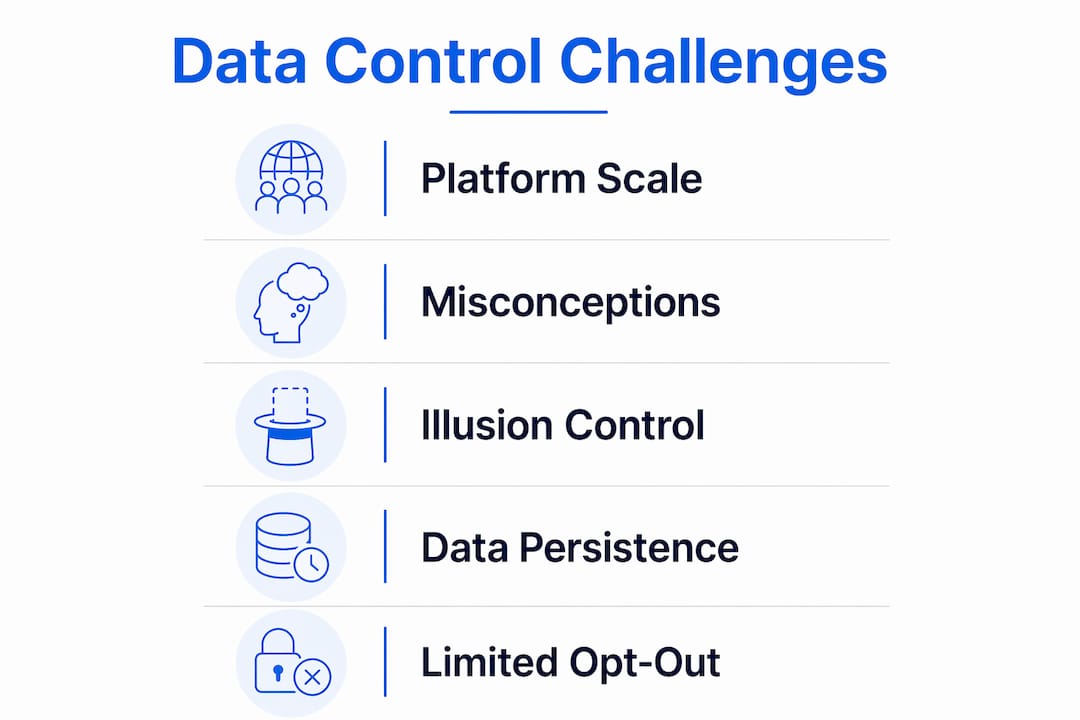
A striking misconception makes this worse. 37% of job seekers believe platforms share their data only with potential employers. The reality is that data flows to affiliates, business partners, and commercial data brokers well beyond any hiring context. Most people simply do not know this is happening.
The "illusion of control" compounds the problem. When you delete a profile, you assume your data disappears. It does not. Deleting a profile on one platform does not remove data already replicated across affiliates and third-party data exchanges. Your information has already been copied, categorized, and sold before you ever thought to opt out.
Spreading across platforms multiplies the exposure. Over 34% of job seekers maintain active profiles on multiple platforms simultaneously. Each new account is a new data source being tapped without compensation.
Here is what you can actually do to reduce your exposure:
- Audit your active profiles. List every platform where you have an account and delete the ones you no longer use actively.
- Review opt-out settings. LinkedIn, for example, offers an opt-out for using your data to train generative AI models. It is buried in settings, but it exists.
- Read the data sale language. Look for CCPA opt-out links, usually labeled "Do Not Sell or Share My Personal Information," in the footer of major platforms.
- Limit what you upload. Avoid uploading documents with sensitive personal details beyond what the application requires.
Pro Tip: Use a dedicated email address for job searching. This limits cross-platform data linking and makes it easier to track which platforms are sharing your contact information with third parties.
How AI and biometric data factor into job seeker data collection
AI-powered hiring tools have added a new and more invasive layer to the unpaid data contribution problem. Video interview platforms capture facial geometry, voice patterns, and behavioral signals during what you believe is a standard job interview.
This data is extraordinarily valuable for training AI systems. Acquiring labeled biometric data through legitimate research channels is expensive. The job application process provides it at near-zero cost. A platform with a 3% acceptance rate collects rich behavioral and biometric training data from the 97% of applicants it rejects, all without paying them a dollar.
The legal risk is real. A federal court in Deyerler v. HireVue affirmed that biometric data collection through AI video interviews can violate Illinois privacy law under BIPA. That ruling signals that the legal framework around this practice is tightening, even if enforcement remains inconsistent.
| Data Type | How It Is Collected | Commercial Use |
|---|---|---|
| Resume content | Application upload | AI training, ad targeting, data resale |
| Profile data | Account creation | Recruiter tools, behavioral analytics |
| Biometric data | AI video interviews | Facial recognition model training |
| Behavioral signals | Platform activity (clicks, saves) | Ad targeting, engagement modeling |
Pro Tip: Before completing an AI video interview, check whether the platform is covered under Illinois BIPA, Texas CUBI, or Washington's My Health MY Data Act. If you are in a covered state, you may have the right to request deletion of biometric data.
What legal and ethical rules actually govern job seeker data?
US law provides some protections, but they are narrower than most people assume. The strongest rules apply specifically to disability and medical information in hiring contexts.
The Department of Justice published AI hiring guidance in april 2026 under the ADA, clarifying that employers cannot use AI screening tools to unlawfully collect medical or disability-related information. The EEOC enforces these rules and has signaled increased scrutiny of algorithmic hiring systems. These protections matter, but they address discrimination in hiring decisions, not the broader commercial monetization of your data.
The gap is significant. An employer cannot legally use AI to screen you out based on a disability. That same employer's platform can still sell your resume data to a data broker. Both things are true at the same time.
Here is a practical breakdown of what the law currently covers and what it does not:
- ✅ Covered: Employers must provide reasonable accommodations for applicants using AI hiring tools.
- ✅ Covered: AI tools cannot screen applicants based on medical or disability status.
- ✅ Covered: CCPA gives California residents the right to opt out of data sales.
- ❌ Not covered: Platforms selling resume data to non-employer third parties for commercial purposes.
- ❌ Not covered: Biometric data collection outside of states with specific biometric privacy laws.
- ❌ Not covered: Behavioral data harvested from platform activity used for AI training.
The ethical gap is wider than the legal one. Platforms are technically compliant while extracting enormous value from people who receive nothing in return. That is the core of the job seeker data exploitation problem.
How to protect yourself when searching for jobs
You cannot opt out of the entire system, but you can make smarter choices about which platforms get your data and how much of it they receive. Start by treating your job search like a privacy-aware workflow rather than a scatter-shot application sprint.
Before creating a new account on any job platform, check its privacy policy for three things: whether it sells data under CCPA definitions, whether it shares data with affiliates beyond employers, and whether it offers an opt-out for AI training. A platform comparison checklist can save you hours of reading fine print.
Practical steps that actually reduce your data exposure:
- Delete dormant accounts. Old profiles on platforms you no longer use are live data sources generating value for someone else.
- Use platform-specific resumes. Tailor each resume to limit the amount of personal detail you share beyond what each role requires.
- Opt out of AI training. LinkedIn's settings include a toggle for generative AI data use. Turn it off.
- Request data deletion. Under CCPA and GDPR, you can formally request that platforms delete your data. Do it for platforms you no longer use.
Pro Tip: Treat your resume like a document with a distribution list. Know exactly where each version has been submitted and to which platform it has been uploaded. This makes deletion requests faster and more complete.
Key takeaways
Job seekers are unpaid data sources because platforms monetize their application data commercially, without compensation, and often without meaningful awareness from the applicants themselves.
| Point | Details |
|---|---|
| Platforms sell your data | 8 out of 9 major job platforms share user data with affiliates and commercial partners. |
| Most seekers don't know this | 37% of applicants believe their data goes only to employers, not third parties. |
| Deletion doesn't erase data | Removing a profile does not delete data already replicated across downstream systems. |
| Biometric risk is real | AI video interviews collect facial and behavioral data used for model training without compensation. |
| Legal gaps remain wide | ADA and CCPA offer partial protections, but commercial data monetization largely continues unchecked. |
The uncomfortable truth about "free" job boards
I've spent years watching professionals pour hours into job applications, carefully crafting resumes and cover letters, only to hear nothing back. What nobody told them was that their effort had value. Just not to them.
The frustrating part is not that platforms collect data. It's that the entire system is designed to obscure that fact. Privacy policies are written to be unreadable. Opt-outs are buried three menus deep. And the people most affected, job seekers in transition who are already stressed and time-poor, are the least likely to stop and audit their digital footprint.
I think the regulatory momentum is real but slow. The ADA.gov guidance from april 2026 is a meaningful signal. The Deyerler v. HireVue ruling is another. But neither addresses the core economic asymmetry: platforms earn hundreds of thousands of dollars in lifetime value per user while the user gets a job board with a lot of rejection emails.
What I believe will actually shift this is awareness, not legislation. When enough professionals understand that their job search effort has measurable worth, they will start demanding platforms that reflect that reality. The data rights conversation is moving from privacy advocates to mainstream professionals. That shift matters.
My advice: stop treating your job search data as a throwaway byproduct of applying. It is a professional asset. Treat it like one.
— Eric
How Earnhire turns your search work into real value
Most job boards take your data and give you a search bar. Earnhire works differently. Every application, save, and tailored resume you create on Earnhire builds your data worth, the kind of career insights employers actually use to make informed hiring decisions.
If you are tired of contributing to platforms that profit from your effort without giving anything back, Earnhire is built for you. Use the Guided Job Search to manage your workflow with transparency, the Resume Tools to tailor applications without oversharing, and Analyze Jobs to understand what each role is really asking for. Your search work should count. Start building your data worth on a platform that recognizes it.
FAQ
What does it mean to be an unpaid data source as a job seeker?
It means your resume, profile, and application behavior generate commercial revenue for job platforms through data sales and AI training, without any compensation to you. Incogni research confirms 8 out of 9 major platforms engage in this practice.
Do job platforms actually sell my resume data?
Yes. Under CCPA definitions, platforms like Indeed and LinkedIn legally sell and share user data including resumes and profile information with affiliates, business partners, and data brokers beyond the hiring context.
Can deleting my profile stop my data from being used?
No. Deleting a profile does not remove data already shared with affiliates and third-party data exchanges. The data has typically been replicated before you take any action to delete it.
Are AI video interviews collecting my biometric data?
Yes. AI video interview platforms capture facial geometry and behavioral signals that function as labeled training data. A federal court ruling in Deyerler v. HireVue confirmed this can violate state biometric privacy laws.
What legal protections do job seekers have over their data?
The ADA and EEOC restrict employers from using AI to collect medical or disability data in hiring. California's CCPA gives residents opt-out rights for data sales. Outside these frameworks, commercial data monetization by platforms remains largely unregulated.